








































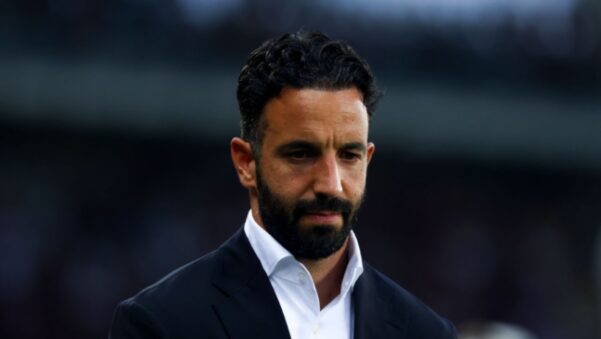
Ruben Amorim Takes a Different Path at AC Milan
Ruben Amorim has promised to learn from his time at Manchester United as he begins a new chapter in charge of AC Milan. His message is clear: a tactical identity matters, but adapting to the players available matters more.
Amorim lost his job in Manchester after his preferred 3-4-3 system failed to produce consistent results. During his 14 months in charge, United won only 24 of 63 matches. The experience has made him more willing to adjust rather than force a system that does not suit the squad.
“I can’t repeat my mistakes at Manchester United. If we don’t have the characteristics to play in a certain style, then we will adapt,” Amorim said.
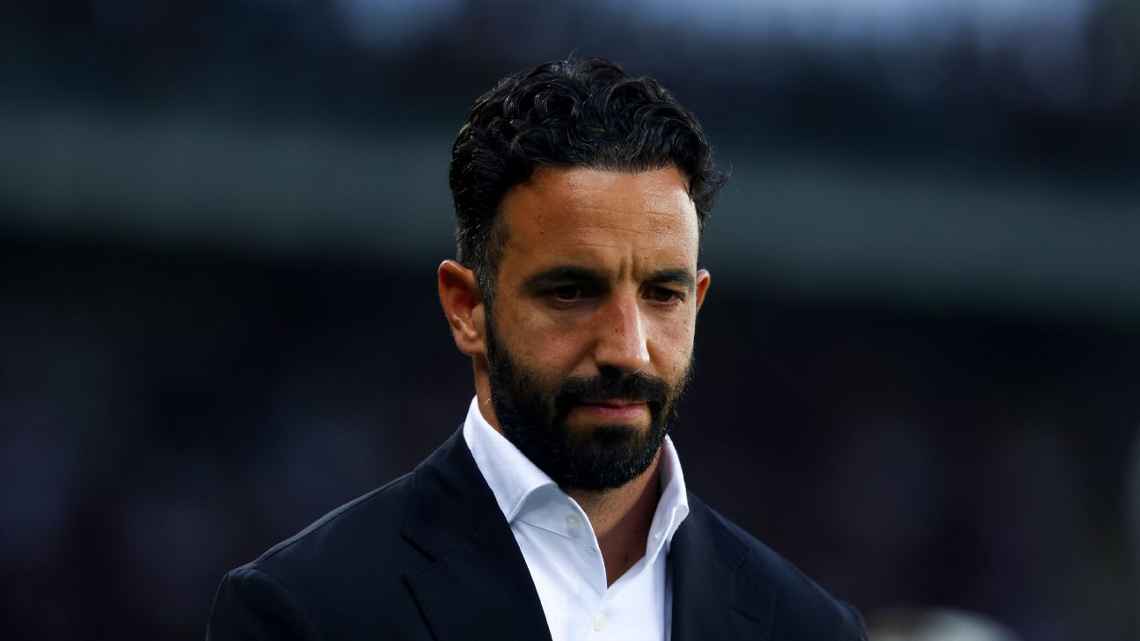
A Tactical Reset in Milan
Amorim surprised observers by moving away from his usual back-three structure in Milan’s 3–0 win over Lecce. Christian Pulisic, Adrien Rabiot and Diego Moreira scored as the team produced a controlled and convincing performance.
The change was not a rejection of his football philosophy. Instead, it showed a willingness to start with the strengths of his new squad and build from there. Amorim has indicated that Milan will eventually return to a three-man build-up, but the shape should serve the players rather than restrict them.
Italian football presents a particularly demanding tactical environment. Coaches are highly skilled at preparing one-on-one battles and exploiting small weaknesses, so flexibility could become one of Milan’s biggest advantages.
Why Modrić Changes the Conversation
Luka Modrić, now 41, remains an important presence in Milan’s midfield. His experience and ability to control possession give the team a different rhythm, but that influence works best when Milan are able to keep the ball for long periods.
Amorim has recognised that Modrić should not be asked to play in a match dominated by constant transitions. The priority is to create enough control for the midfielder to dictate tempo, choose the right pass and preserve energy across the season.
“With Modrić, we need to have the ball for a long time. If we only play transition games, it’s not good for him,” Amorim explained.
Milan’s Early Progress
Milan have made a steady start to the Serie A campaign and sit fifth after five matches, just two points behind leaders Roma. The table remains tight, but the early signs suggest that Amorim’s willingness to adapt is already having an effect.
The challenge now is to turn one impressive performance into a reliable style. Milan need a structure that can handle possession-heavy matches as well as open, transition-based games. The balance between the two will define Amorim’s first season in Italy.
A Contrast with Manchester United
Manchester United, meanwhile, have struggled at the beginning of their Premier League campaign, with just one win from five matches under Michael Carrick. That contrast does not tell the whole story, but it does underline how quickly a coach’s environment can change.
At United, Amorim was judged largely on whether his established system could transform the squad. At Milan, he appears to have more room to build gradually. The early switch to a back four suggests that he is determined to avoid repeating the mistake of treating tactical consistency as more important than practical results.
For Amorim, the next step is not to abandon his principles. It is to make them adaptable enough to survive different opponents, different game states and the long demands of an Italian season.


请先登录,再参与讨论。